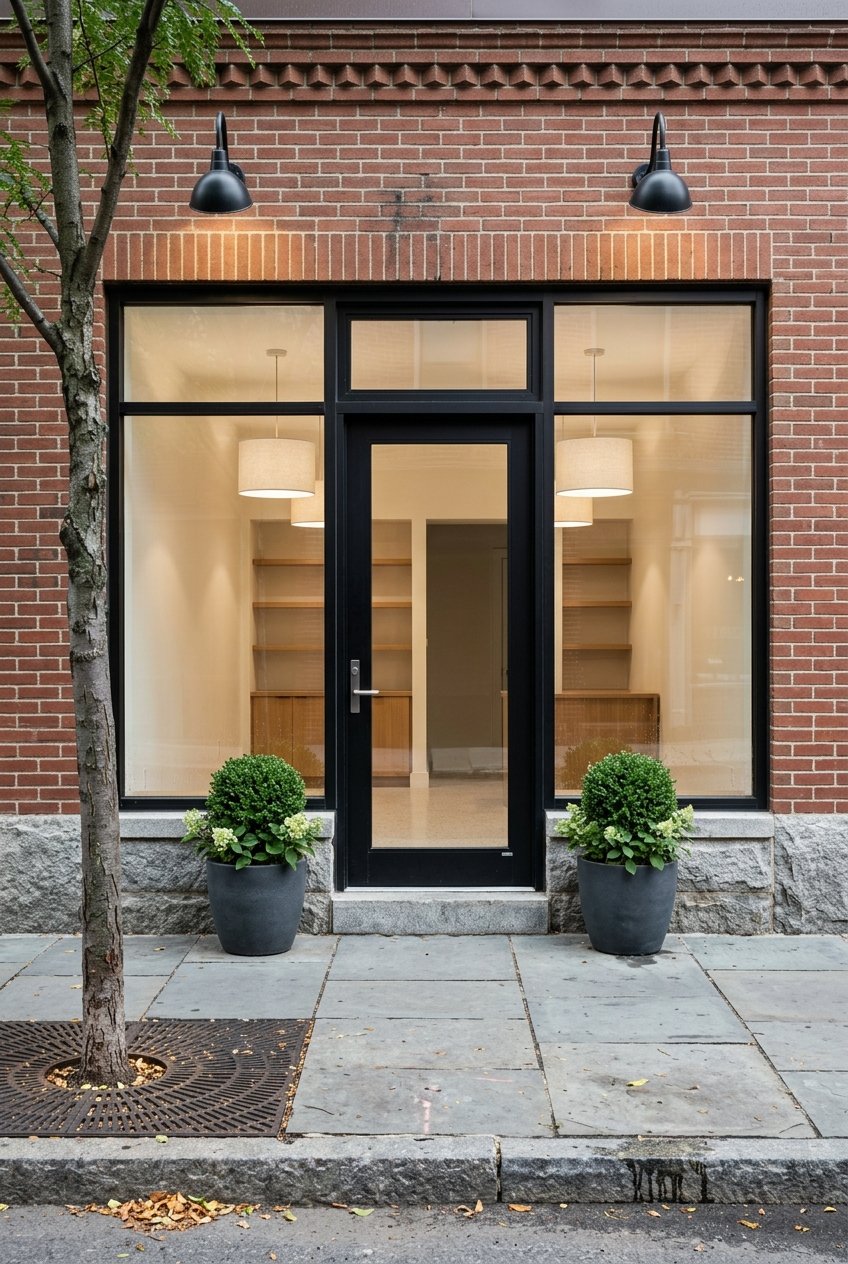
If you are evaluating retail space in Bucks County, Newtown’s historic core stands out for a simple reason: it gives people a reason to come, walk, linger, and return. That matters if your business depends on more than quick convenience trips. Whether you are a tenant planning expansion, a landlord positioning space, or an owner thinking about long-term value, understanding how Newtown works on the ground can help you make a smarter decision. Let’s dive in.
Why Newtown attracts destination retail
Newtown Borough’s historic core has a built-in identity that many suburban retail areas cannot easily replicate. The borough is just 0.6 square mile, and its historic district was established in 1969 and listed on the National Register of Historic Places. That compact scale helps downtown feel unified rather than scattered.
In practical terms, that means visitors experience the district as a place, not just a row of addresses. The Newtown Heritage Walk includes 39 markers along State Street and Sycamore Street, which supports a natural walking pattern through the core. For retail businesses, that kind of connected movement can translate into more browsing and more cross-shopping.
The borough has also treated the downtown as something to preserve and strengthen over time. Its planning work highlights State Street gateways, streetscape improvements, and historic-district design guidelines. That consistent attention helps reinforce the street-level experience that destination retail depends on.
Walkability supports browsing time
Destination retail works best when people feel comfortable staying longer than they planned. In Newtown, several factors support that behavior, including a compact street network, historic character, public landmarks, and a concentration of businesses on or near State Street.
Visitor information for the borough places assets like the Half Moon Inn, Newtown Historic Association, Newtown Library Company, Newtown Theatre, and municipal parking within or near the core. SEPTA Route 130 also stops at State Street and Washington Avenue. Together, those elements help the district function as a walkable commercial environment instead of a single-stop errand location.
The borough’s ongoing focus on walkability also matters. A Walk Friendly Newtown committee and a recent safety and walkability review show that pedestrian circulation is an active local priority. For retailers and service businesses, that kind of place management can support a stronger customer experience over time.
Recurring events create repeat traffic
One of the biggest strengths in Newtown is that downtown activity is not tied to one holiday weekend or one annual festival. The Newtown Historic Association runs recurring public programming including walking tours, Market Day, the Holiday Open House Tour, Porchfest at the Half Moon Inn, and America 250-related events.
That kind of calendar matters because it creates repeat reasons to visit. Instead of relying on one large traffic spike, the district benefits from recurring cultural and community activity throughout the year. For a retailer, restaurant, or appointment-based operator, that can support more durable visibility.
There is also evidence that Newtown can handle major event-driven foot traffic. Newtown Welcome Day 2026 is described as drawing over 5,000 visitors to the heart of the local business district. That does not guarantee success for every concept, but it does show the core can attract large crowds under the right conditions.
Attractions extend the trade area
Newtown benefits from nearby draws that can widen its customer base beyond borough residents. Visit Bucks County highlights Newtown alongside Yardley and Washington Crossing as a main-street cluster known for shops, restaurants, arts, taverns, and historic sites.
Two nearby draws stand out in particular. Newtown Theatre, which Visit Bucks County describes as having opened in 1906, is presented as the oldest movie theater in the United States. Tyler State Park adds another steady source of visitors, with 1,711 acres and daily access for hiking, biking, horseback riding, picnicking, boating, and wildlife watching.
For destination retail, those nearby attractions matter because they can extend the visit. Someone who comes for a show, a walk, a park outing, or a heritage event may also dine, shop, or book a service in town. That gives Newtown more resilience than a district that depends only on local pass-by traffic.
The existing mix already fits the model
A good retail district usually shows you what works by what already exists there. In Newtown, the borough business directory shows a dense mix of restaurants, cafes, taverns, bakeries, boutique apparel, specialty retail, book and record retail, barber and salon uses, skin care and wellness, fitness, insurance, real estate, and other professional services clustered on or near State Street.
That mix is important because it supports multiple visit types. Some people come to dine, some come to browse, and others come for appointments or professional services. When those uses sit close together, they can reinforce each other.
Visit Bucks County’s recommendations point in the same direction, highlighting businesses like Newtown Book & Record Exchange and The Tubby Olive alongside a broad food and dining mix. The district appears to perform best for businesses that benefit from discovery, repeat visits, or a more personal customer experience.
Best-fit concepts for Newtown
Based on the borough’s existing business mix, visitor activity, and downtown character, Newtown appears best suited to experiential and higher-touch uses rather than commodity retail. Businesses that give customers a reason to make the trip tend to align better with the district.
Strong fits may include:
- Independent restaurants and cafes
- Specialty food and beverage concepts
- Boutique retail with curated inventory
- Personal care and wellness uses
- Appointment-driven service businesses
- Professional office users that benefit from a customer-facing main street setting
The local demographic profile also helps frame the opportunity. Borough comprehensive plan data, based on 2020 ACS estimates, show 2,268 residents, a median age of 52.5, and median household income of $109,922, with higher income among owner-occupied households at $146,985. Those figures suggest a mature and comparatively affluent local customer base, though businesses should still evaluate demand based on their own price point and operating model.
What landlords and tenants should watch
Newtown offers real strengths, but it is not friction-free. The biggest operational issue identified in borough planning documents is parking. Business owners cited parking for employees and customers as one of the biggest challenges, and the borough has recommended an updated downtown parking study.
That does not mean parking is absent. Visitor information notes two municipal lots, some time-limited blocks, and no restrictions on Sundays. Still, tenants and landlords should think carefully about how customers arrive, how long they stay, and when parking demand is highest.
Historic character also comes with process. In the historic district, exterior changes visible from any public way require HARB review and a Certificate of Appropriateness. If your concept depends on signage, façade changes, or exterior improvements, that review path should be part of your timeline from day one.
Deliveries, employee parking, and storefront presentation also matter more in a district like this. In Newtown, façade, lighting, signage, window display, and the street-level experience are not secondary details. They are part of what makes the location valuable in the first place.
Why this matters for site strategy
For tenants, Newtown is not just a place to find square footage. It is a district where the right concept can benefit from walkability, events, historic identity, and a customer base that already expects a more thoughtful experience.
For landlords and property owners, the lesson is similar. Space in the historic core often performs best when it is positioned for uses that value character, visibility, and repeat visits rather than pure convenience. Tenant mix, storefront quality, and operating practicality all play a role in long-term leasing success.
That is why retail decisions here should connect back to operations. The best outcomes usually come from matching the physical space to the brand, the parking realities, the build-out scope, and the way customers actually move through downtown.
If you are evaluating retail or mixed-use opportunities in and around Newtown, local context matters. SCRE PA, LLC d.b.a. Commercial Partners Serhant helps landlords, tenants, buyers, and sellers approach office and retail decisions with a clear understanding of operations, positioning, and market fit.
FAQs
What makes Newtown Borough a destination retail location?
- Newtown combines a compact historic district, walkable streets, recurring events, nearby attractions like Newtown Theatre and Tyler State Park, and a business mix built around dining, browsing, and services.
What types of businesses fit Newtown’s historic core best?
- The district appears best suited to experiential retail, specialty food, restaurants, boutique concepts, wellness uses, and appointment-driven professional or service businesses.
What should tenants know about parking in downtown Newtown?
- Parking is a known business challenge in borough planning documents, though the area does include two municipal lots, some time-limited street parking, and no parking restrictions on Sundays.
What should property owners know about historic district rules in Newtown?
- Exterior changes visible from a public way in the historic district require HARB review and a Certificate of Appropriateness, so owners should build review timing into project planning.
Why does walkability matter for retail space in Newtown?
- Walkability helps visitors move between shops, restaurants, attractions, and services, which can increase browsing time, support cross-shopping, and strengthen the overall customer experience.