If you are thinking about opening, moving, or growing a business in Newtown, the address you choose can shape far more than your mailing label. In a market like this, location affects visibility, customer flow, parking, branding, and even how smoothly your build-out gets approved. The good news is that Newtown offers a rare mix of historic character, regional draw, and practical business infrastructure. Let’s dive in.
Newtown is bigger than one boundary
When you run a business in Newtown, you are not operating only within a borough line on a map. Newtown Borough’s planning documents note that the borough and adjoining township share physical proximity and a common market area, and that customers are not likely to distinguish between the two in daily life. That matters because it means your business can benefit from a broader local identity instead of relying on one small municipal footprint alone.
In practical terms, that gives Newtown more reach than many people expect. According to the borough’s 2022 comprehensive plan update, the 15-minute drive-time market includes 162,213 people, with median household incomes above $110,000 and about one-quarter of households earning more than $200,000. For many business owners, that means Newtown functions as both a convenience market and a destination market.
Downtown Newtown offers a distinct business setting
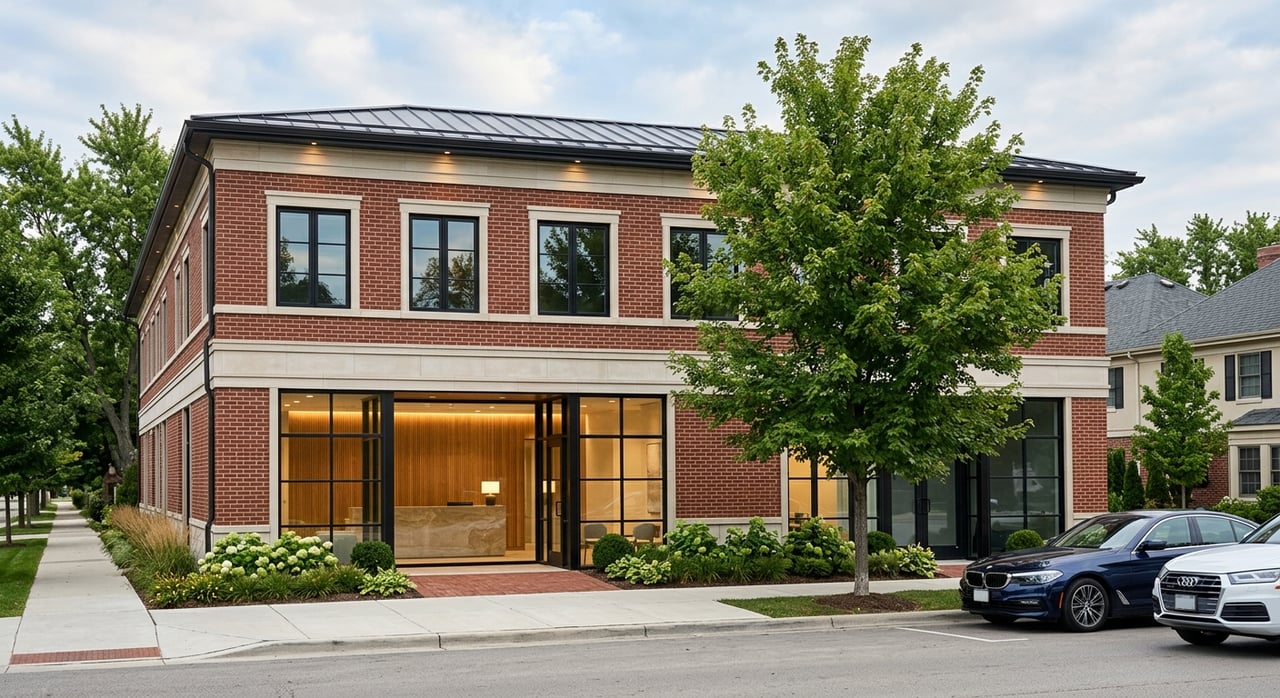
Newtown is not a typical highway retail strip. The borough describes its central business district as a walkable, tree-lined, historic downtown with a strong mix of sit-down restaurants, coffee shops, spa and personal services, and boutique retail. If your business depends on atmosphere, brand presentation, or a polished client experience, that setting can be a real advantage.
The commercial core centers on State Street from Greene Street to Court Street, while the broader State Street corridor from Greene to Jefferson includes homes, apartments, offices, retail, and service uses. That mix creates a business environment where office users, service providers, and customer-facing concepts can operate close together. It also helps explain why Newtown appeals to both daily local traffic and intentional visitors.
Some business types fit especially well
Newtown already supports a broad base of small shops, restaurants, offices, and professional services. The borough also identifies commercial areas on Washington Avenue, South Lincoln Avenue, East Centre Avenue, and Penn Street, which gives business owners more than one type of location to evaluate. If you are comparing visibility, parking, and customer access, those corridor differences matter.
Based on the borough’s zoning framework and existing tenant mix, Newtown is especially well suited to:
- Professional offices
- Boutique retail
- Wellness and personal-care businesses
- Service businesses
- Destination food and beverage concepts
- Office-style medical or health-adjacent uses
The borough’s business directory reflects that pattern, showing restaurants, coffee shops, salons, fitness and wellness businesses, banking, real estate, tailoring, photography, and other service businesses clustered on or near State Street. For owner-users and tenants alike, this points to a market where small-footprint, experience-driven, and service-oriented businesses can make sense.
Zoning supports mixed-use and office activity
One of Newtown’s advantages is that its zoning is relatively supportive of office and mixed-use uses within a historic downtown setting. The borough’s planning update states that business and professional uses are located in the Borough Professional Services District, Business Gateway, and Business/Mixed-Use districts. It also notes that the Town Center district allows residences, business and professional offices, retail, cultural uses, and combinations of homes and businesses.
That flexibility can open the door to smarter real estate strategies. If you are a business owner deciding whether to lease an office condo, occupy a mixed-use building, or pursue a street-level retail presence with office space above, Newtown may offer more viable formats than you would find in a more rigid suburban market.
Historic character adds value and review time
The same historic setting that makes Newtown appealing also creates added responsibility. The borough states that the historic district was created in 1969, expanded in 1976 and 1985, and placed on the National Register in 1986. It also notes that HARB and Joint Historic Commission review apply to demolitions and exterior changes.
For business owners, that means exterior signage, façade changes, and some visible tenant improvements may require more planning and more patience. If your concept depends on a certain storefront look, outdoor presentation, or exterior branding package, you should build that review timeline into your decision early. In Newtown, design-conscious execution is not just aesthetic. It can be part of the approval path.
Parking can shape your daily operations
Parking is one of the most important practical issues in downtown Newtown. The borough’s visitor information page says the downtown area includes on-street parking and two municipal lots, with time limits ranging from 30 minutes to two hours and no restrictions on Sundays. The comprehensive plan also identifies employee parking and customer parking as major business concerns.
This does not mean downtown is unworkable. It means you need to match your business model to the parking reality. A by-appointment office, boutique service business, or café with strong pedestrian appeal may operate very differently from a high-volume use that needs constant short-term vehicle turnover or large staff parking needs.
Before you commit to a space, consider:
- How long customers typically stay
- Whether staff need all-day parking
- How often deliveries occur
- Whether your business depends on quick in-and-out visits
- How much walk-in traffic matters to your revenue
These are not small details. In a compact downtown, they can affect staffing, scheduling, customer satisfaction, and long-term occupancy success.
Road access is strong, but traffic matters
Newtown is easy to reach by car, which supports its regional business draw. Newtown Township identifies Route 332, Route 413, Route 532, Swamp Road, Stoopville Road, and the Newtown Bypass as key state-owned roadways, and the township’s directions show access from I-95 via the Newtown Exit to SR 332. That road network gives businesses strong suburban connectivity.
At the same time, the borough’s planning update points to recurring concerns around traffic volume, congestion, and cut-through traffic from the bypass. It identifies South State Street, Washington Avenue, and Centre Avenue as heavily traveled gateways into the historic district and central business district. If your business depends on convenient ingress, easy customer turns, or strong roadside exposure, traffic flow should be part of your site-selection analysis.
Transit and walkability still add value
While Newtown is primarily a car-oriented market, transit is available as a secondary benefit. The borough notes that SEPTA Route 130 serves Newtown at State Street and Washington Avenue and connects through Langhorne Station and the West Trenton Regional Rail line. For some businesses, that can help with employee commuting or client access.
Just as important, the borough frames walking and biking as part of its long-term economic vitality. In a market like Newtown, walkability is not just a lifestyle feature. It supports cross-shopping, repeat visits, and the kind of street-level visibility that helps many small businesses build local recognition over time.
Newtown works best for the right footprint
There is very little vacant land remaining in the borough, according to the comprehensive plan. That means many future opportunities are more likely to come through adaptive reuse, redevelopment, or mixed-use infill rather than large greenfield development. If you are searching for space in Newtown, you should expect a market that rewards flexibility and planning.
For many users, the best fit is not the largest footprint. It is the right footprint. Businesses that can thrive in a compact, well-positioned space often have the strongest advantage here, especially when they benefit from visibility, destination appeal, or a professional downtown setting.
What this means for business owners
Running a business in Newtown means operating in a market with real strengths, but also real constraints. You get access to a substantial local and regional customer base, a recognizable downtown identity, and a business environment that supports office, mixed-use, retail, and service concepts. You also need to think carefully about parking, traffic patterns, historic-district review, and the limited supply of available space.
That is why commercial real estate decisions in Newtown should connect directly to your operations. The right location is not just about rent or sale price. It is about how your space supports staff, customers, branding, access, approvals, and future growth.
If you are evaluating office, retail, mixed-use, medical, or redevelopment opportunities in Newtown, working with a team that understands both the local market and the operational side of commercial space can save time and reduce costly mistakes. To talk through your options, connect with Commercial Partners Serhant.
FAQs
What does it mean to run a business in Newtown, PA?
- It means operating in a broader borough-and-township market with a historic downtown identity, regional customer draw, and a business environment where access, parking, and fit within the built setting all matter.
What types of businesses fit best in Newtown?
- Based on the borough’s zoning and current business mix, Newtown is a strong fit for professional offices, boutique retail, wellness and personal-care concepts, service businesses, and destination food and beverage uses.
What should business owners know about parking in downtown Newtown?
- Downtown Newtown offers on-street parking and two municipal lots, but time limits and employee parking needs can affect daily operations, so parking should be reviewed before signing a lease or buying a property.
What should business owners know about historic-district approvals in Newtown?
- In parts of Newtown, exterior changes such as signage, façade updates, and certain visible improvements may require historic review, which can add time and design requirements to a project.
Is Newtown, PA a good market for office or professional space?
- Yes, Newtown’s zoning framework and tenant mix support office and professional uses, especially for businesses that value a polished setting, local visibility, and access to the surrounding Bucks County market.
How accessible is Newtown for customers and employees?
- Newtown is well connected by major roads including Route 332, Route 413, Route 532, and the Newtown Bypass, with SEPTA Route 130 providing supplemental transit access.